Cart
0
You may also like














Maha Shivratri is one of the most revered and spiritually significant festivals in Hinduism. It is a night dedicated entirely to Lord Shiva, the destroyer of negativity and the harbinger of liberation. Unlike other festivals that focus on celebrations and social gatherings, Maha Shivratri is about discipline, devotion, and inner transformation. Devotees observe fasts, perform pujas, meditate, and chant mantras throughout the night to seek Lord Shiva’s blessings.
This article explains everything you need to know about Maha Shivratri in 2026, including the date, puja rituals, fasting rules, spiritual benefits, and powerful remedies. Whether you are observing the festival for the first time or are a regular devotee, this guide will help you make the most of this auspicious night.
Maha Shivratri is observed on the 14th night of Krishna Paksha in the month of Phalguna, usually falling in February or March.
In 2026, Maha Shivratri will be celebrated on Sunday, 15 February 2026.
The most powerful period on this night is Nishita Kaal, the midnight time when Lord Shiva’s energy is believed to be at its peak. Devotees often stay awake through the night, meditating and chanting mantras to connect with this heightened spiritual energy.
Maha Shivratri has deep spiritual significance. It marks several key events in Lord Shiva’s life and symbolizes important principles of devotion and spirituality:
According to the Shiva Purana, Lord Shiva appeared as an endless pillar of light to demonstrate that he is beyond time, beginning, and end. This manifestation represents the infinite, eternal nature of consciousness.
During the Samudra Manthan, a deadly poison emerged from the ocean, threatening the universe. Lord Shiva consumed this poison to protect creation, holding it in his throat, which turned blue. This act earned him the name Neelkanth and symbolizes selflessness and protection.
Maha Shivratri also commemorates the divine union of Shiva and Parvati, representing the perfect balance of consciousness and energy. This night teaches devotees the importance of harmony, devotion, and the union of masculine and feminine energies.
Spiritually, Maha Shivratri is about overcoming darkness, ignorance, and ego, and connecting with one’s inner self.
Performing Maha Shivratri puja correctly can amplify its spiritual benefits. Here is a simple guide for home rituals:
Wake up early and take a bath to purify the body and mind.
Clean the pooja area and arrange a clean altar for Lord Shiva.
Wear clean, preferably white or light-colored clothes.
Take a sankalp (vow) to observe the fast and dedicate yourself to the puja.
Abhishek (ritual bathing of the Shiva Linga) is the central part of the puja. Use:
Water – for purification
Milk – for peace and calmnes
Honey – for sweetness in life
Curd – for prosperity
Ghee – for strength and energy
Offer sacred items:
Bel patra (Bilva leaves) – most important
Dhatura and Bhaang
Fruits and flowers
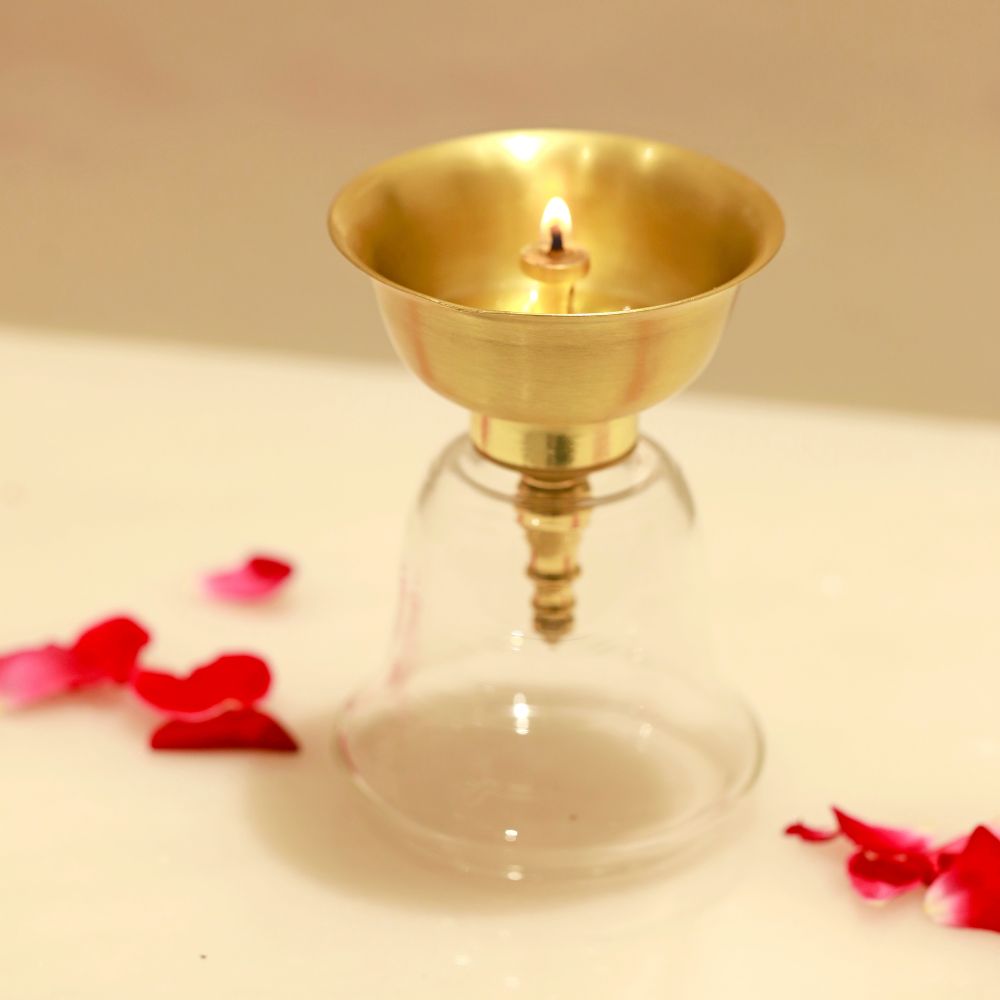
Incense sticks and a lit diya
Chanting mantras with devotion enhances the energy of the puja. Some important mantras are:
Om Namah Shivaya – the basic mantra invoking Lord Shiva
Maha Mrityunjaya Mantra – for protection, health, and longevity
Many devotees perform night-long chanting and meditation, especially during Nishita Kaal, to connect deeply with Shiva’s energy.
Fasting on Maha Shivratri is considered highly auspicious. While fasting styles may vary, devotion is always more important than strict rules.
Nirjala Fast – no food or water throughout the day
Phalahar Fast – fruits, milk, and dry fruits
Simple Vrat – a single sattvic meal without onion, garlic, or grains
Avoid non-vegetarian food, alcohol, and processed items. Even if you cannot fast strictly, spiritual focus and prayer hold the greatest significance.
Observing Maha Shivratri with devotion offers several spiritual and practical benefits:
Lord Shiva is known as the destroyer of negativity. Worshipping him on this night is believed to clear negative thoughts, stress, and fear.
Chanting the Maha Mrityunjaya Mantra is associated with physical and mental healing, improving overall well-being.
Maha Shivratri is linked to longevity and protection from severe illnesses.
Praying to Lord Shiva can help remove obstacles, bring clarity, and stabilize personal and professional life.
Meditation and chanting on Maha Shivratri deepen inner awareness, increase focus, and strengthen spiritual energy.
The Maha Mrityunjaya Mantra is one of the most powerful mantras to chant on this night. Its benefits include:
Protection from accidents and illness
Mental peace and stress relief
Overcoming fear of death
Spiritual strength and resilience
Chanting it with devotion during Maha Shivratri is believed to multiply its spiritual effect.
The Mahamrityunjay Yantra is a sacred spiritual tool associated with Lord Shiva and the Maha Mrityunjaya Mantra. Placing this yantra in the pooja area enhances mantra chanting and spiritual energy.

Supports health and recovery
Protects against negative planetary effects
Reduces fear and anxiety
Strengthens meditation and mantra chanting
Helps devotees during illness or prolonged stress
Using the yantra along with mantra chanting is considered highly auspicious on Maha Shivratri, especially for those seeking health, longevity, and peace.
Here are practical remedies to amplify the positive energy of the festival:
For health: Chant Maha Mrityunjaya Mantra 108 times
For peace at home: Light a diya with cow ghee near the Shiva Linga
For career stability: Offer Bel Patra with sincere devotion
For mental clarity: Meditate silently for 15 minutes at midnight
Even simple acts, performed with sincerity, can bring significant benefits.
Maha Shivratri is especially meaningful for:
People facing health challenges
Those dealing with stress or fear
Business owners seeking stability
Students preparing for exams
Spiritual seekers aiming for inner growth
Lord Shiva, also known as Bholenath, blesses sincere devotion and heartfelt prayers, making this night particularly powerful for anyone seeking guidance, protection, and spiritual growth.
Maha Shivratri is more than a ritual or a festival. It is a night of spiritual renewal, a time to let go of negativity, and an opportunity to connect with higher consciousness. Through fasting, chanting, meditation, and sacred tools like the Mahamrityunjay Yantra, devotees can experience peace, protection, clarity, and spiritual growth.
Observing Maha Shivratri with faith and simplicity allows the blessings of Lord Shiva to last far beyond the night, enriching every aspect of life.